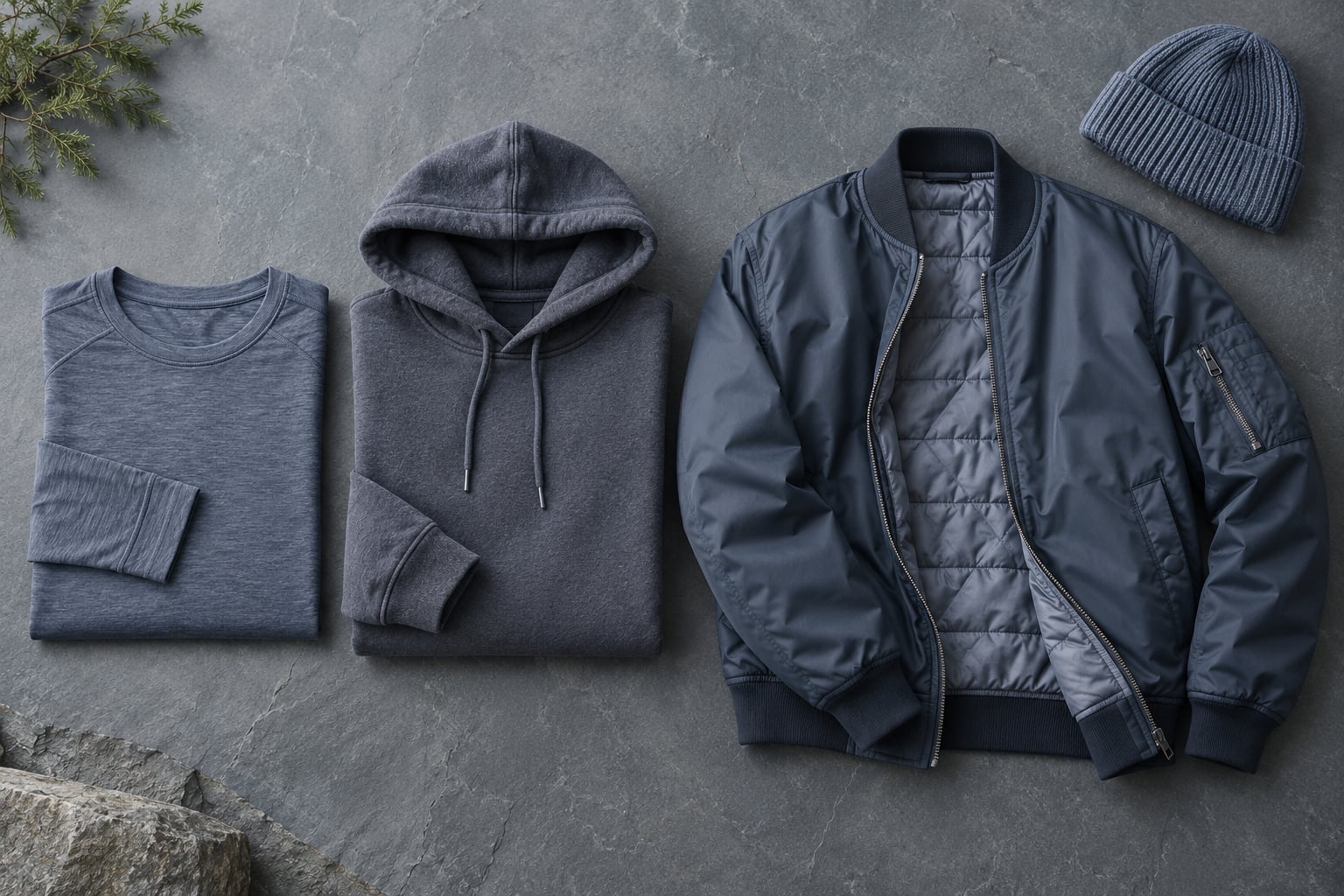
Layering stays comfortable because three thin garments trap warm air far better than one thick one, and only if you can strip the top layer off when you start to sweat. The order never changes: a moisture-managing base layer, the hoodie as the insulating mid-layer, and a jacket that blocks wind and rain on the outside. That is the whole method for anyone asking how to layer hoodies and jackets in cold weather without looking padded. And yes, wearing a hoodie under a jacket is completely normal. The hesitation people have about it is social, not practical.
This guide covers cold weather on a daily basis, so a commute, a walk to the bus stop, a trip across campus. Hiking and skiing want the opposite approach, because you generate heat fast and dump it fast. Everything below is written for the static case, which is what most people actually dress for. Updated for 2026, since the hoodie is not going anywhere and the good layering logic has not changed in years.
Table of Contents
- What You Need
- Step-by-Step: How to Layer Hoodies and Jackets in Cold Weather
- Common Mistakes
- Frequently Asked Questions
- Can you wear a hoodie under a jacket?
- What should I wear under a hoodie in freezing weather?
- Is it better to wear the hoodie outside the jacket?
- How many layers are too many when it is cold?
- What fabrics work best for layering hoodies and jackets?
- How can I layer a hoodie and jacket without looking bulky?
- Conclusion
What You Need
Layering only works when each garment has one job. The base layer manages moisture, the mid-layer traps warmth, and the outer layer stops wind and precipitation from pulling that warmth away. Give two layers the same job and you get one bulky outfit that overheats you, which is the complaint I hear most from people who have tried this before and gave up.
The base layer should be thin, close to the skin, and made from something that moves sweat off your body rather than holding it. A heavyweight cotton sweatshirt does the opposite: it soaks up sweat, stays damp, and turns cold exactly when you need warmth.
The mid-layer is where the hoodie sits. It is the only layer you genuinely add warmth with, and the only one that adds bulk, so its weight is the decision that matters most. The outer layer does not insulate much at all. Its job is wind, rain, and snow, which means a light shell can outperform a heavy coat if you are layering properly underneath.
Fit matters as much as fabric. Every layer should be roomy enough to slide over the one beneath it without a fight, but a sweatshirt bought two sizes too big has nowhere to go. Weather conditions set the target: below roughly 55 degrees most people need the full system, and every 10 degrees below that is one more insulating layer or a heavier mid-layer.
A quick checklist of combinations that work:
- Lightweight long-sleeve base, midweight fleece hoodie, and a nylon bomber or wind shell for cool city days.
- Merino or synthetic base, heavyweight fleece pullover, and a puffer for genuinely cold afternoons.
- Thermal base, zip hoodie worn open as the mid-layer, and a chore or denim jacket layered on top.
- A boxy hoodie with no base layer, plus a shell, for the days when it dips in the afternoon and climbs back up by dinner.
- Thermal base, hoodie, wool overcoat, and a scarf for city cold where the coat is the main event.
- A hoodie over a button-up shirt with a puffer vest, for shoulder-gap cold where a coat feels like too much.
Step-by-Step: How to Layer Hoodies and Jackets in Cold Weather
1. Start With a Thin, Moisture-Managing Base Layer
Put on something thin first: a merino long-sleeve, a synthetic thermal top, or a fitted moisture-wicking tee under a shirt. It should feel almost too light when you put it on, because its purpose is not warmth but keeping sweat off your skin.
You will know it is wrong if it feels thick, holds its shape like fleece, or you can see lumps of it through the hoodie later. A cotton-heavy base is the classic mistake, and it is the reason people swear layering makes them cold.
Check the fit by raising both arms overhead. If the shoulder seam lifts or the sleeve pulls across your chest, it is too small. If it hangs loose at the wrist and bunches in the elbow, it is too big and will not wick properly.
2. Choose the Right Hoodie for the Middle Layer
Pick the hoodie by weight, not by how it looks on its own. A lightweight cotton pullover is enough for cool days and barely warm for real cold. A midweight or heavyweight fleece pullover is the workhorse mid-layer for most winter weather, and fleece dries faster than cotton when it gets damp.
Zip-up hoodies earn their place for a simple reason: you can open them from the bottom without taking anything off. On a walk that warms up fast, unzipping a zip hoodie halfway is a temperature adjustment that a pullover cannot give you. Oversized and boxy hoodies work fine underneath a jacket, but only if the jacket has room, which is the thing to test before you buy anything.
Try the hoodie with the jacket you plan to wear over it. If the hoodie hem sits past where the jacket closes, the jacket is doing nothing. If the sleeves disappear completely when you zip it, you have too little room and you will look inflated rather than layered.
3. Pick a Jacket That Blocks Wind and Rain
The outer layer handles weather, so judge it on wind resistance, water resistance, and ventilation rather than on warmth.
- Puffer: the warmest option, best for still, cold air. Bulky, so pair it with a lighter hoodie.
- Bomber: wind-resistant and light, ideal for cool days where you are moving around.
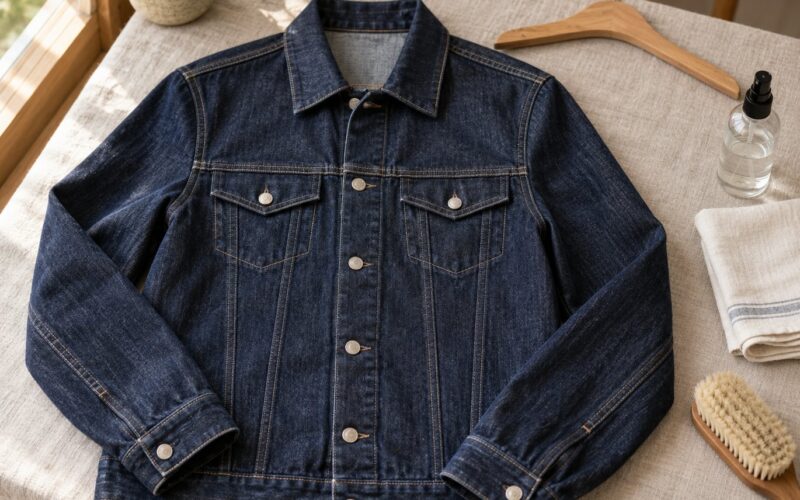
- Denim: durable and good for light rain and cool transitional weather, poor in real cold wind.
- Chore or shirt jacket: roomy and structured, works well over a midweight hoodie.
- Shell: blocks wind and rain, insulates nothing. Cheap insurance for a hoodie on most days.
- Puffer vest: leaves the arms free and solves the not-quite-cold-enough-for-a-coat problem.
Check the shell with the hoodie on. Zip it fully, check that your thumbs clear the cuffs, and try lifting your arms to shoulder height. Pockets that sit underneath the hoodie are worse than no pockets, because the hoodie pushes your hands out and the pocket is unusable.
Test-fit jackets in the hoodie you own. This one habit solves the most common complaint out there: coats bought roomy for layering that turn out to be too tight the first time a sweatshirt goes on. The armhole seam is what gives, and it usually gives before the body does.
4. Match the Layers to the Weather and Activity
The same three layers stretch across a wide range if you change the weight rather than the count.
| Forecast | Base layer | Hoodie | Outer layer |
|---|---|---|---|
| 50 to 60 F, cool and breezy | Lightweight long-sleeve | Lightweight pullover | Bomber, denim, or shell |
| 40 to 50 F | Merino or synthetic top | Midweight fleece pullover | Bomber, chore jacket, or light puffer |
| 30 to 40 F | Thermal base | Midweight fleece or zip hoodie | Puffer, puffer vest, or wool coat |
| Below 30 F | Thermal base | Heavyweight fleece | Long puffer or wool overcoat plus a scarf |
Wind changes the math more than temperature does. The same 38 degree day with a hard wind off the water needs a shell on top that you would have skipped in still air.
Manage heat by removing layers on the move rather than by wearing less and hoping. Unzip the jacket from the bottom, then the chest. Take the hoodie off and carry it, or roll it and tuck it under a belt. A zip hoodie opened halfway does the same job as a pullover you took off, without the arm movement of changing clothes on a sidewalk.
5. Check the Fit, Movement, and Temperature
Stand still for three to five minutes before you leave. Layering that feels fine in motion can leave you sweating the second you stop for a light.
Now test movement. Raise your arms straight up. Bend forward and touch your toes. Walk twenty steps. Walk up stairs. Each of those catches a different problem: raised arms catch a tight armhole or a jacket that rides up, bending catches hem length and hem bulk, and stairs catch anything that restricts the shoulder.
The warning signs are specific. Heat collecting at your lower back means too much insulation. A jacket that will not zip over the hoodie means the hoodie is too heavy or too boxy for that jacket. Cold air sliding down your neck means the hood, collar, or scarf is not sealing. Sleeves ending short of your wrists leak heat fast, no matter how good the layers underneath are.
And check it against a mirror from the side. If your silhouette is wider at the torso than at the hips and everything reads as one shape, you have too much volume in the middle. Dropping the hoodie weight or going up a size in the jacket fixes it more often than anything else.
6. Finish the Outfit Without Losing the Streetwear Look
Visible layering only looks intentional when one layer is clearly the statement and the others support it. The hoodie hem should be visible under the jacket, showing an inch or two, and the hood should either sit down flat inside the jacket collar or rest on top of the jacket collar. Never let the hood bunch halfway out.
Build the palette around two or three colors. Tonal dressing, one color family in different weights, is the easiest way to look slim because the eye reads height instead of width. If you want contrast, put it in texture rather than color: a fleece hoodie under a smooth nylon bomber, or a smooth jersey hoodie under a wool overcoat.
Accessories finish the neck and hands, which are where you actually lose heat. A beanie, gloves, and a scarf or neck gaiter do more for warmth than a third mid-layer, and they do not add width to your torso.
Bottoms count too. Straight or slim trousers under a bulkier top balance the silhouette, and boots that meet the hem stop a heavy jacket from looking like it is floating. Most guides skip this, which is why so many layered outfits read as unfinished from the waist down.
Common Mistakes
- Stacking several cotton layers. Cotton holds sweat, and damp cotton against cold skin is colder than no layer at all. Fix: keep cotton out of the base position and let a merino or synthetic layer sit against your skin.
- An oversized hoodie with no room for a jacket. Boxy fits look right on their own and disappear under outerwear. Fix: when a hoodie is your mid-layer, aim for relaxed but not draped, and test the jacket closure with it on.
- Hood up under a hooded jacket. Two hoods make a bulge that reads as an accident. Fix: hood down under the jacket collar, or use the jacket hood alone.
- Overheating indoors and on the move. A three-layer outfit for 30 degrees becomes too much at a bus stop. Fix: dress for the coldest part of the day and plan on removing a layer rather than on wearing less.
- A non-water-resistant shell in rain. A hoodie that is not moisture-wicking absorbs rain, chills, and stays damp for hours. Fix: keep a packable shell on hand for wet days.
- Every layer competing for attention. Three loud graphics, three competing fits, and the whole thing falls apart. Fix: let the hoodie carry the print or the color and keep the jacket and base layer quiet.
Frequently Asked Questions
Can you wear a hoodie under a jacket?
Yes, and it is standard practice. A hoodie is one of the most useful mid-layers there is, and almost every winter outfit you see on a street starts with one underneath a jacket. The only thing that makes it look wrong is proportion: test-fit the jacket with the hoodie on, make sure it zips, and let the hem and hood show a little. Everything under your jacket is doing thermal work, not styling.
What should I wear under a hoodie in freezing weather?
A thin thermal or merino base layer, then the hoodie as your mid-layer, then a jacket that blocks wind. Below freezing, the outer layer matters more than most people expect, because wind strips heat faster than cold air alone. Add a scarf and a beanie rather than a third heavy mid-layer. You gain far more from sealing the neck and wrists than from adding bulk.
Is it better to wear the hoodie outside the jacket?
Only when the hoodie is the statement piece, which usually means a shorter or boxier one worn deliberately over a structured jacket or blazer. For cold weather, the hoodie belongs underneath, where it traps heat and adds insulation. Wearing it over works for style in mild conditions, but you lose most of the insulating benefit and the hoodie takes on weather it was never built for.
How many layers are too many when it is cold?
Three is the working number for everyday cold: a base layer, a hoodie, and an outer jacket. You can add a fourth only when the day is genuinely cold, and it should add a sealed accessory such as a scarf or vest rather than another thick shirt. If you are sweating while standing still, you are past the limit no matter how low the thermometer reads.
What fabrics work best for layering hoodies and jackets?
Merino wool and synthetic blends for the base layer, because both move sweat off your skin and dry quickly. Fleece for the hoodie mid-layer, since it traps warmth and survives repeated washing. Nylon or a treated polyester for the outer shell, because those shed wind and rain. Cotton works for the hoodie when it stays dry, and it is a poor choice in wet cold.
How can I layer a hoodie and jacket without looking bulky?
Use contrast instead of adding less. A light or midweight hoodie under a roomier structured jacket looks deliberate; a heavyweight hoodie under a fitted jacket looks padded. Keep the palette tonal so the eye reads height instead of width, let the hoodie hem and hood show, and check the silhouette from the side in a mirror before you walk out the door.
Conclusion
Start with the hoodie you already own. Put a thin moisture-managing layer under it, add the jacket that matches the forecast, and then spend thirty seconds on the fit: zip it, raise your arms, stand still, and check that nothing pulls at the shoulders or leaks at the neck. Build the outfit around the weather rather than adding another layer by default. That habit is the difference between layering that works and a pile of clothes that only looks warm.