To protect your hearing at loud shows, wear correctly fitted earplugs, keep your distance from speaker stacks, take listening breaks, and leave if your ears start ringing. Most venues sit well above the 85 dB level where noise exposure starts to damage hearing, so the protection has to be in place before the first song, not after.
This guide covers what to pack, how to fit earplugs that actually seal, what to do mid-set, and which symptoms mean you should see a clinician. It is general information, not medical advice.
What You Need
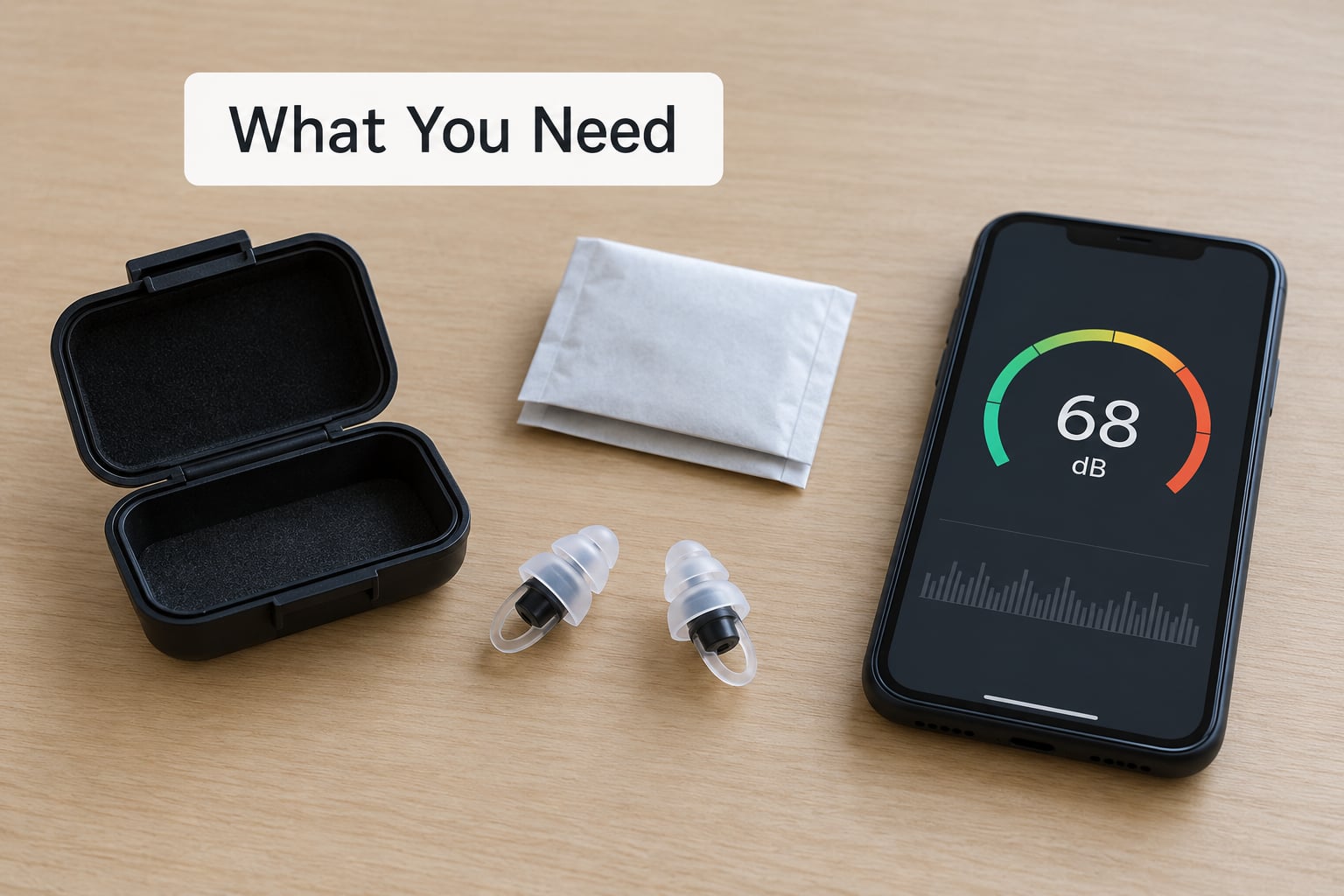
Start with ear protection you will actually remember to bring. Two pairs is a reasonable rule: one you use, one backup.
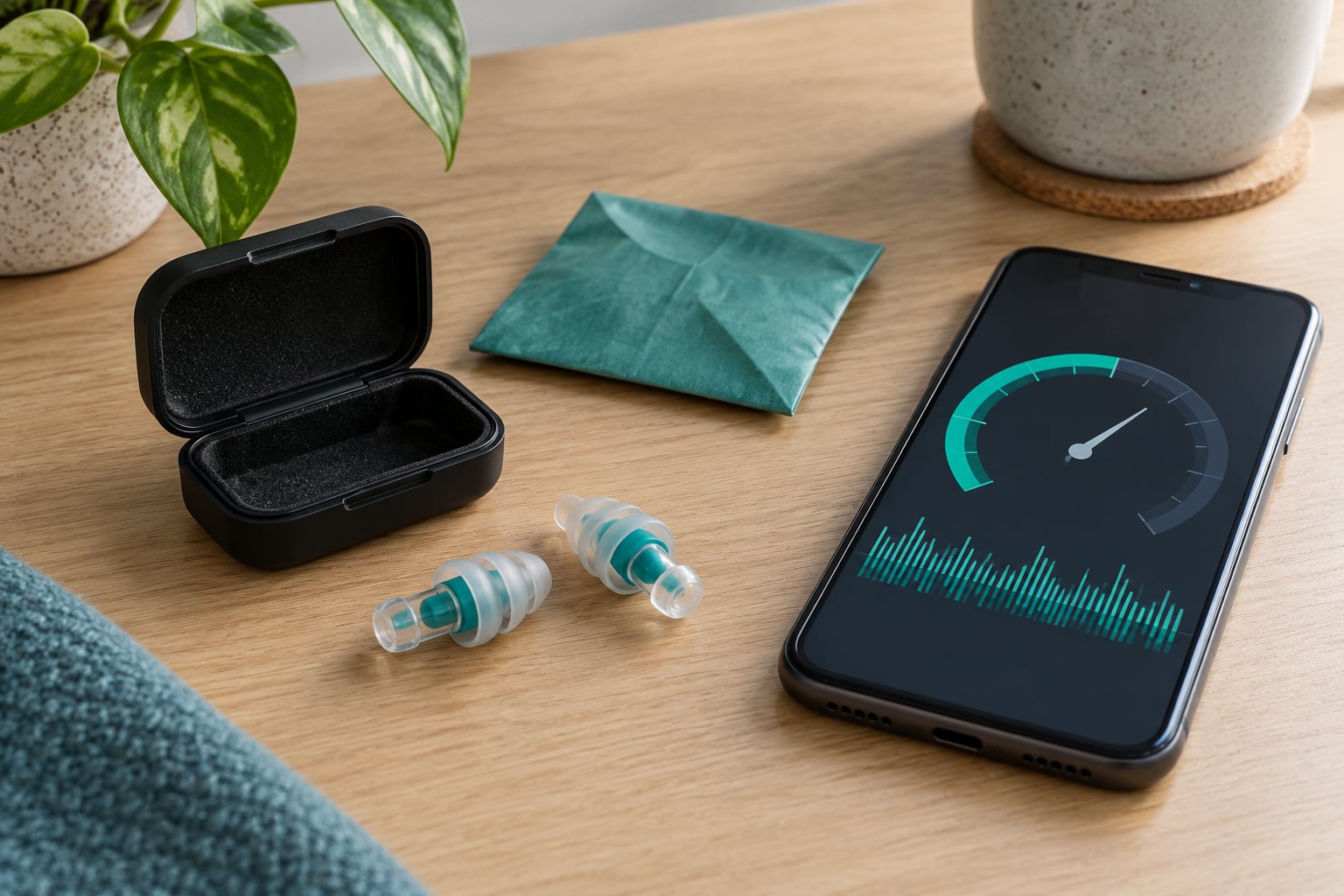
- Foam earplugs. Cheap, disposable, and effective when inserted properly. They soften in the ear and shrink the sound reaching the eardrum, but a shallow insertion leaks a surprising amount of noise.
- High-fidelity or filtered earplugs. Reusable plugs with a small acoustic filter that lowers volume across frequencies instead of muffling the highs, so the music still sounds like music.
- A small hard case. A pocket-sized case is the difference between having plugs and losing them in a coat pocket three months later.
- A sound-level meter app. Phone apps turn your device into a rough decibel reader, which helps you compare a quiet club set against a festival stage.
The Noise Reduction Rating printed on a package is measured in a lab with a perfect seal. In a real ear canal you will get less, so treat the number as a ceiling rather than a promise.
Step-by-Step: How to Protect Your Hearing at Loud Shows
1. Check the venue and sound levels before you go
Look up the room first. Small clubs with low ceilings, bass-heavy stages, and festival main stages are louder than arenas with open-air space, and reviews from regulars often mention where the volume sits. Some venues also publish a posted sound policy, which tells you whether staff monitor levels at all.
Open a decibel app at the venue when you arrive and stand where you plan to watch. Sustained readings above 85 dB mean you are in hearing-protection territory for the whole set. If the number near the front is dramatically higher than at the back, your safest viewing spot is the one with the lower reading.
2. Choose and fit the right earplugs
Foam plugs, filtered plugs, and musician-style plugs all work, and the differences come down to how much sound you want to keep. Foam cuts the most and muffles the most. Filtered plugs reduce volume more evenly so vocals and drums stay intelligible. Musician-style plugs are the flattest option and the ones most touring players use.
Fitting a foam plug takes about ten seconds. Roll it between your thumb and forefinger until it is a thin cylinder, pull the ear canal open with your other hand, and insert it deep until it feels snug. Hold it in place for a few seconds while it expands, then wait for the full expansion before you judge whether it works.
Poor fit is the most common failure, and it usually comes from a plug that sits too shallow or a canal that is too small for the plug. A correctly seated plug should feel slightly pressure-like, sit without falling out, and kill the sharp edge off the sound. If it hurts, try a different size rather than pushing it deeper.
3. Reduce exposure without missing the show
Earplugs work on top of distance and time, not instead of them. Standing ten feet further back from a line array can meaningfully lower the level reaching you, and moving to a side or rear spot often beats a straight-on position where the speaker array aims at your head.
Short listening breaks work too. Stepping outside for five minutes between sets gives your ears a recovery window and costs you almost nothing musically. The thing to avoid is using plugs as permission to stay somewhere that is clearly too loud; if the room is brutal, stepping out is the better lever.
4. Watch for warning signs and know when to stop
Temporary sensations after loud exposure are common, including ringing in the ears, muffled hearing, a feeling of fullness, mild dizziness, or trouble following speech in a quiet room. These often settle within hours.
Certain signs should not wait. Get prompt medical attention for severe ear pain, any drainage from the ear, sudden hearing loss, or symptoms that affect only one ear. The same applies if ringing or muffled hearing lasts beyond a day or two, or keeps returning after every show. A doctor or hearing professional can check for changes and advise on protection going forward, and urgent care is appropriate for sudden loss.
5. Protect your ears after the show
Keep the rest of the day quiet. Skip the loud ride home, turn down the car stereo, and avoid headphones for a few hours while your hearing settles. Track how long symptoms last in a note on your phone, because that pattern tells you far more at a follow-up visit than a vague memory does.
Never put cotton swabs, hairpins, or unapproved liquids in your ears to fix the feeling. Rest and low noise reduce further exposure, but they are not treatment.
Common Mistakes
Most hearing damage at shows comes from a handful of repeat errors, and each has a simple fix.
- Showing up with no plugs. Fix: keep a spare pair in a bag you take to every show, or check whether the venue sells them at the merch table.
- Rolling foam plugs into a loose wad. Fix: roll them thin, insert fully, and hold until they expand.
- Wearing one plug. Fix: use both. It halves the unprotected ear and avoids feeling lopsided, which most people dislike.
- Assuming comfortable means safe. Fix: measure with a decibel app and trust the reading over the vibe.
- Staying near the speakers all night. Fix: check the level where you stand, then move back or sideways if the numbers are high.
- Ignoring ringing that lasts into the next day. Fix: book a hearing check instead of waiting for it to clear.
Two smaller habits help too. Test your fit at home in a quiet room before the show, and wipe reusable plugs between uses. Plugs falling out during an energetic set usually means a size or style mismatch, not bad luck.
Frequently Asked Questions
Are foam earplugs safe for concerts?
Yes, foam earplugs are a safe and common choice for concerts, because they lower the sound reaching your eardrum and reduce the risk of noise-induced hearing loss. They work best when rolled thin, inserted fully, and held until they expand. The main drawback is that they muffle music, so people who care about sound quality often prefer filtered or musician-style plugs instead.
How do I fit earplugs properly at a show?
For foam plugs, roll the plug thin, pull your ear upward and back to open the canal, and slide it in until it feels snug. Hold it for a few seconds while it expands and stops moving. For reusable filtered plugs, insert the stem at a slight angle and adjust until you cannot hear the sharp edge of the sound. A correctly fitted plug should not fall out or cause pain.
How loud is too loud at a concert or festival?
Occupational safety guidance treats 85 decibels as the threshold where prolonged exposure can damage hearing, and most concerts and festivals measure well above that, often reaching 100 to 120 decibels near the stage. Because the decibel scale is logarithmic, a small increase in level is a large increase in exposure, so if you have to shout to be heard at arm’s length, the level is already a concern.
Can hearing recover after a loud show?
Many people recover fully after a single loud show. The ringing and muffled feeling that follow are often temporary and clear within hours or a day. When the change does not resolve, it may point to a lasting shift in hearing sensitivity. If symptoms persist for more than a couple of days or keep returning after every show, have a clinician check your hearing rather than repeating the exposure.
Should I wear earplugs if I already have ear pain or a cold?
Ask a clinician first rather than guessing. Blocked sinuses, a middle-ear infection, or a perforated eardrum can change how plugs feel and how well they seal, and inserting anything into an ear that is already painful can irritate it further. In general, keeping noise down while you wait to be seen is reasonable, but an exam is the right way to know what is safe in your case.
When should I see a doctor after loud music exposure?
Seek prompt care for severe ear pain, drainage from the ear, sudden hearing loss, or symptoms limited to one side. Schedule a routine hearing check if ringing, fullness, or muffled hearing lasts more than a day or two, or if it returns after every show. A baseline test before a heavy season of shows also gives you a comparison point later.
Conclusion
The first thing to do is simple: find out roughly how loud the room is, then pack earplugs that you have already fitted and tested. Wear them from the first song, stand back from the speakers, take a short break between sets, and keep the ride home quiet. If ringing, fullness, or pain does not settle within a day or two, book a hearing check instead of waiting it out.